
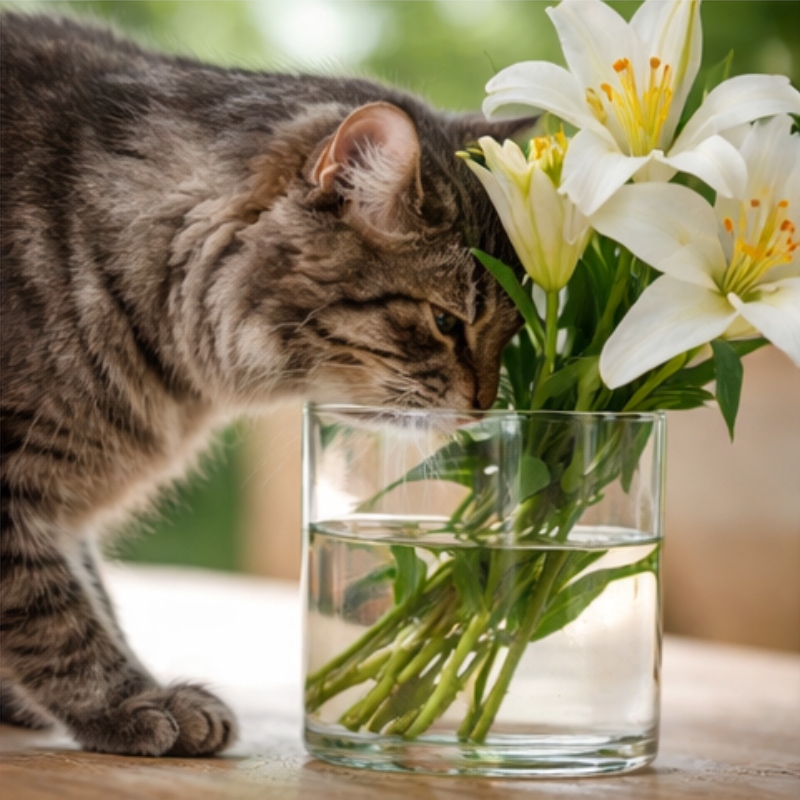
What Happens If a Cat Eats a Lily?

⚡ TL;DR – Quick Safety Summary
- •All parts of true lilies (including pollen and vase water) are highly toxic to cats
- •Symptoms may start mild but can lead to kidney failure within 24–72 hours
- •Cats may appear normal at first, but damage begins quickly
- •Immediate veterinary care greatly increases chances of recovery
If a cat eats any part of a true lily, including the petals, leaves, pollen, or even water from the vase, it can cause severe kidney failure within 24 to 72 hours. This is a medical emergency. You should contact a veterinarian immediately, even if your cat appears normal.
What counts as a lily?
Not all plants called “lilies” are equally dangerous, but several common types are extremely toxic to cats. These include Easter lilies, tiger lilies, Asiatic lilies, and daylilies. Even very small exposure, such as licking pollen off their fur or brushing against the plant and later grooming, can be enough to cause poisoning. Other plants like peace lilies and calla lilies are less dangerous but can still cause irritation in the mouth and digestive tract.
Highly Toxic Lilies (Medical Emergency) ▼
These can cause kidney failure even with small exposure:
 Tiger / Asiatic lilies
Less dangerous lilies ▼
These usually cause mouth irritation, not kidney failure:
 Calla lily
What counts as exposure?
- Chewing leaves or petals
- Licking pollen off fur
- Drinking vase water
- Brushing against the plant and grooming later
What Happens in the Body
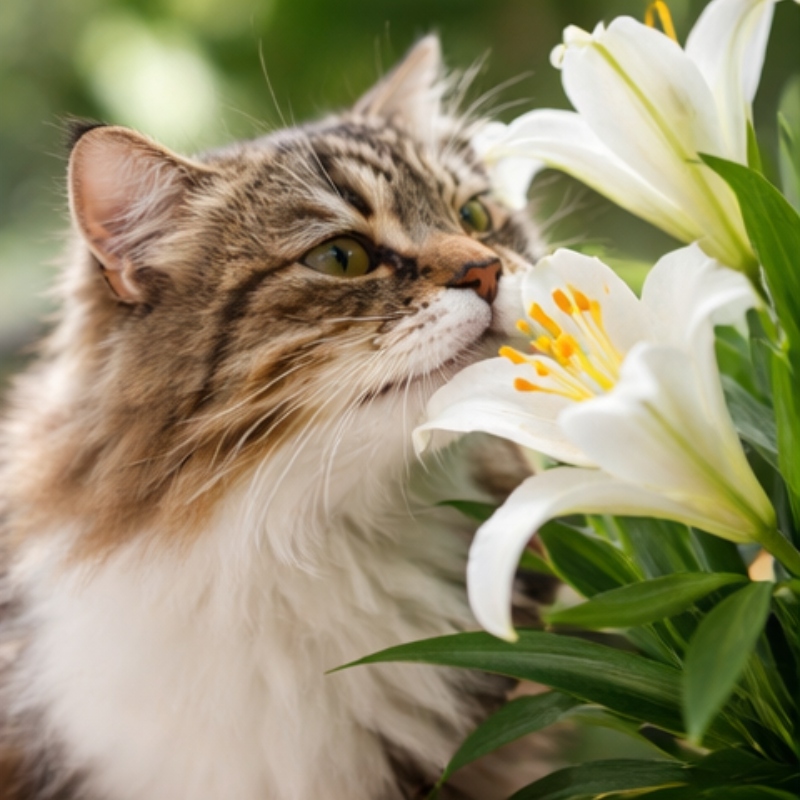
When a cat is exposed to a toxic lily, the plant releases substances that specifically damage the kidneys. These toxins begin affecting kidney cells quickly, even before any symptoms are visible. As the kidneys start to fail, toxins build up in the bloodstream, which can become life-threatening if not treated promptly.
Symptoms Timeline

Symptoms usually begin within the first 12 hours and may include vomiting, drooling, loss of appetite, and lethargy. Some cats may seem to improve after this initial phase, which can create a false sense of recovery. However, within 24 to 72 hours, more serious signs of kidney failure can develop. These include increased thirst, reduced or no urination, severe lethargy, and a rapid decline in overall condition.
What To Do Immediately (CRITICAL)
If you suspect your cat has been exposed to a lily, you should act immediately:
- Remove any remaining plant material from your cat’s reach
- Check your cat’s fur, especially around the face and paws, for pollen and gently wipe it off to prevent ingestion.
- Contact your veterinarian or an emergency animal clinic as soon as possible
- Do not wait for symptoms
How vets treat lily poisoning ▼
Treatment must begin within the first 18 hours:
- Treatment may include inducing vomiting if the ingestion was recent
- Administering activated charcoal to limit toxin absorption
- Providing intravenous fluids for 24 to 72 hours to support the kidneys
- Take blood tests to monitor kidney function during treatment
Prevention
The best way to protect your cat is prevention. Avoid keeping true lilies in your home if you have cats. Be cautious with flower arrangements, as lilies are often included in bouquets. Inform guests not to bring lilies into your home, and clean any fallen pollen immediately if exposure is possible.
Sponsored Placement