
These Common Plants Maybe Toxic to Your Pets

⚡ TL;DR – Quick Safety Summary
- •Some Plants are toxic to pets
- •Lilies are especially dangerous for cats
- •Bulbs are often the most toxic part
- •Watch out for vomiting, drooling, or lethargy
- •Act quickly if your pet ate an unknown plant
Spring is in the air. Sunshine, warm breezes, longer days, and that sudden motivation to hit the trails like you’ve been training for this all winter. Everything is blooming, your dog is living their best life, and for a brief moment, it feels like you’ve got it all together.
Meanwhile… your pet is out here sampling the local plants like a chaotic little food critic.
The problem? A lot of those beautiful spring plants—whether they’re in your yard, along your favorite hiking trail, or sitting in a vase on your kitchen table—aren’t nearly as harmless as they look. Some might just upset your pet’s stomach. Others can lead to much more serious health issues depending on what (and how much) was eaten.
And because many of these plants are incredibly common, most pet owners don’t even realize there’s a risk until something happens.
Let’s take a look at some of the most common, beautiful… and unfortunately dangerous plants for our furry companions.
Some pose risks to both dogs and cats, while others are especially dangerous for one over the other—so it’s worth knowing exactly what you’re dealing with.
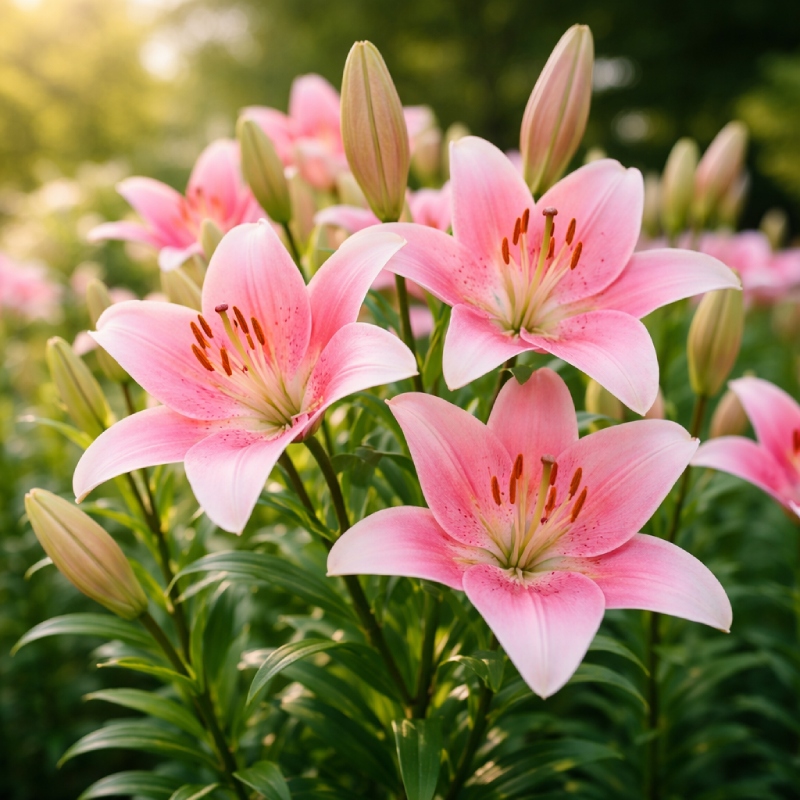
Lilies
Who’s at risk: 🐱 Cats (critical)
- Even small exposure can cause kidney failure in cats
- This includes pollen, leaves, and even water from a vase
What to watch for: Vomiting, lethargy, loss of appetite
👉 This one is serious enough that even brushing against pollen can be a problem. Read more: What Happens if my Cat Eats a Lily
Oleander
Who’s at risk: 🐶 Dogs, 🐱 Cats
- A very common landscaping plant (especially in warmer states like California)
- Affects the heart, even in small amounts
What to watch for: Drooling, vomiting, weakness, abnormal heart rhythm
👉 Looks like a harmless hedge. Definitely not a harmless hedge.
Lily of the Valley
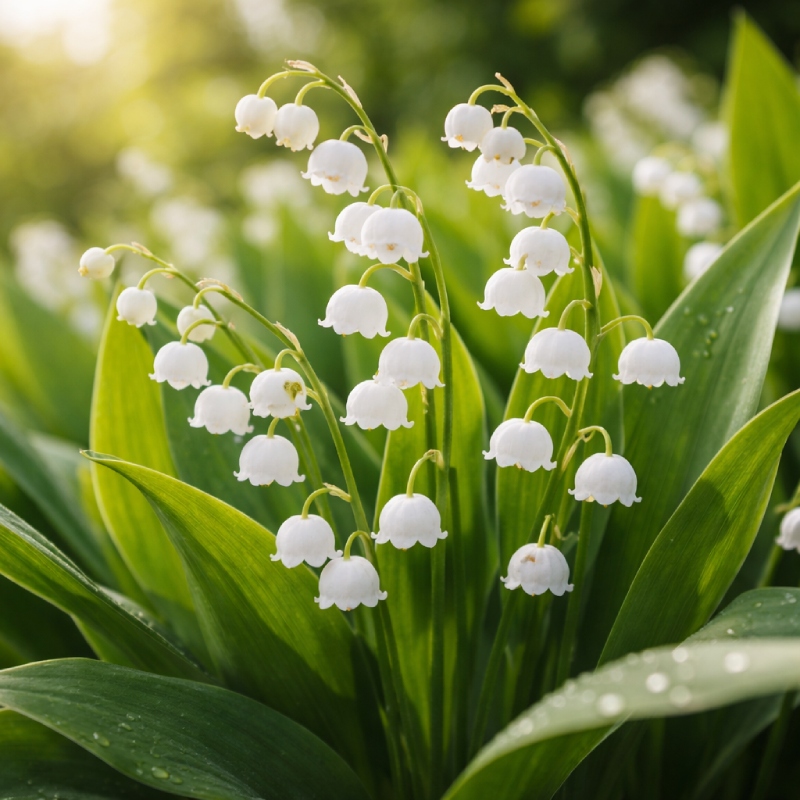
Who’s at risk: 🐶 Dogs, 🐱 Cats
- Contains compounds that affect the heart
- Small plant, disproportionately big impact
What to watch for: Vomiting, confusion, irregular heartbeat
Sago Palm
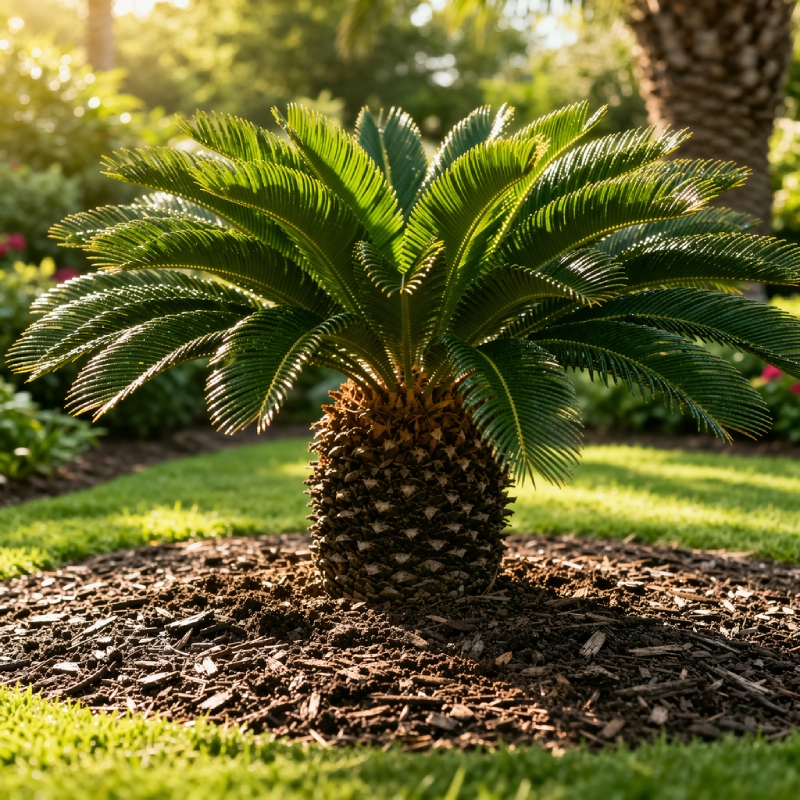
Who’s at risk: 🐶 Dogs (especially), 🐱 Cats
- One of the most toxic plants for pets
- Can cause severe liver damage
What to watch for: Vomiting, lethargy, seizures
👉 The seeds are the most dangerous part—and pets seem weirdly drawn to them.
Crocus
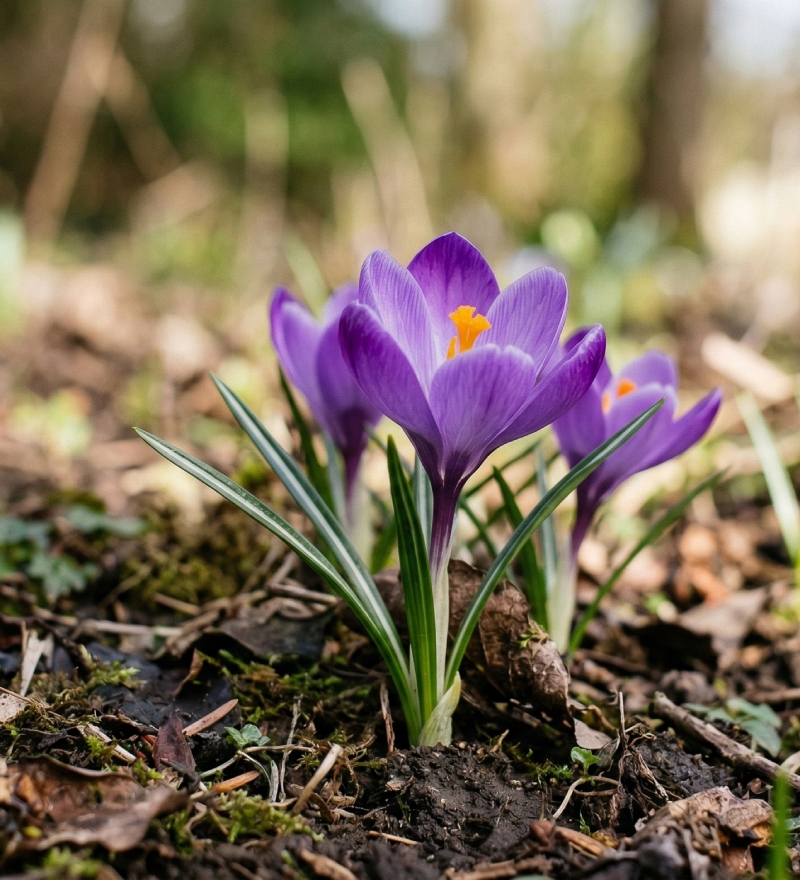
Who’s at risk: 🐶 Dogs, 🐱 Cats
- Spring crocus → mild GI upset
What to watch for: Vomiting, diarrhea, lethargy
👉 Same name, very different level of trouble.
Not every plant your pet encounters will cause serious harm—but as you can see, some of the most common ones can. And the tricky part is, many of these are hiding in plain sight.
Common Garden Plants That can Cause Problems:
Not every plant your pet encounters will cause serious harm—but some of the most common spring flowers can still lead to unpleasant (and sometimes surprising) symptoms.
And despite the name, these aren’t just “garden plants.” Many—like daffodils—show up along trails, in open fields, and in places you wouldn’t expect, especially during spring.
🌷 Tulips

Who’s at risk: 🐶 Dogs, 🐱 Cats
- The bulbs contain the highest concentration of toxins
- Above-ground parts can still cause issues, but are less potent
What to watch for: Vomiting, drooling, diarrhea
👉 If your dog is a “dig first, think later” type, tulips move up the risk list.
🌼 Daffodils
Who’s at risk: 🐶 Dogs, 🐱 Cats
- Bulbs are the most dangerous part
- Can cause stronger reactions than people expect
What to watch for: Vomiting, diarrhea, lethargy
👉 Bright, cheerful, and absolutely not a snack.
🌺 Hyacinths
Who’s at risk: 🐶 Dogs, 🐱 Cats
- Similar to tulips—bulbs are the main concern
- Often planted in clusters, increasing exposure risk
What to watch for: Drooling, vomiting, mild GI irritation
👉 Smells great. Not worth the consequences
Sponsored Placement